Bite Correction Treatment in Nagpur : Correcting Your Bite: A Guide to Bite Correction Treatment
Bite correction treatment, a key component of orthodontic treatment, goes beyond simply straightening teeth. It’s the process of addressing the alignment of your upper and lower jaws, ensuring they meet properly when you close your mouth. This crucial step, also known as correcting malocclusion, is vital for both your oral health and overall well-being. A properly aligned bite can prevent a host of problems and contribute to a more beautiful, balanced smile.
Dr. Minase’s Orthodontic Center & Dental Clinic in Nagpur
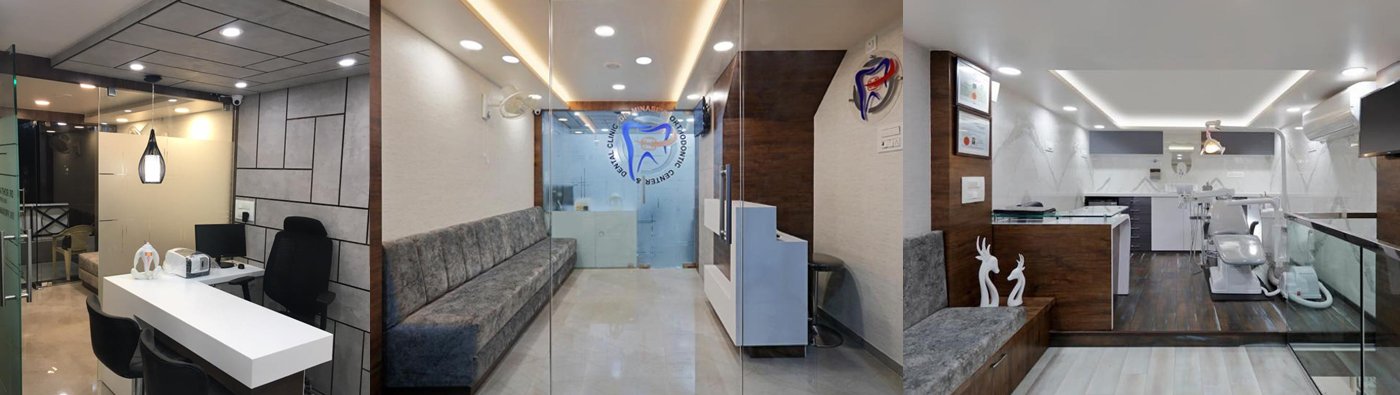
In Nagpur, Dr. Minase’s Orthodontic Center & Dental Clinic is a leading facility dedicated to providing top-tier dental care. The clinic offers a wide range of services, with a special focus on orthodontic treatment and smile designing. Led by a team of experienced professionals, the clinic provides specialized care for all ages, from pediatric dentistry to advanced procedures for adults. Whether you are seeking a best child orthodontist, a best Invisalign orthodontist doctor, or a best lingual orthodontist doctor, Dr. Minase’s clinic is equipped with the latest technology to ensure a comfortable and effective treatment experience.
Symptoms and Causes of an Improper Bite
Symptoms
An improper bite can manifest in various ways, affecting not just your teeth but your entire jaw structure. Common signs that you may need a bite correction treatment include:
- Overbite correction treatment: The upper front teeth excessively overlap the lower front teeth. This is a very common type of malocclusion.
- Underbite correction treatment: The lower jaw juts forward, causing the lower front teeth to sit in front of the upper teeth.
- Crossbite treatment: Some of the upper teeth sit inside the lower teeth when you bite down.
- Crooked teeth or misaligned teeth.
- Difficulty or discomfort when chewing, biting, or speaking.
- Uneven wear on tooth surfaces.
- Jaw pain, headaches, or facial muscle tension.
- Teeth crowding treatment or significant spacing issues treatment.
Causes
Bite problems are often a result of a combination of factors, including:
- Genetics: The size and shape of your jaws and teeth are often inherited. If there is a discrepancy between the size of your upper and lower jaws, or between your jaw size and tooth size, a bite problem can develop.
- Childhood Habits: Habits like prolonged thumb-sucking, pacifier use beyond a certain age, or tongue thrusting can alter the development of a child’s jaw.
- Premature Tooth Loss: The early loss of baby teeth can cause the permanent teeth to erupt in the wrong position, leading to bite issues.
- Trauma: An injury or fracture to the jaw can result in a misaligned bite.
- Improper Dental Restorations: Ill-fitting dental crowns, fillings, or other appliances can sometimes contribute to bite problems.
Procedures for Bite Correction Treatment
Correcting a misaligned bite is a specialized process that requires the expertise of an orthodontist. The specific treatment plan will be based on the severity and type of your malocclusion.
Orthodontic Appliances
- Teeth Metal Braces: Traditional teeth metal braces are a highly effective method for bite correction treatment. They use brackets and wires to apply pressure to the teeth and jaw, gradually moving them into proper alignment.
- Clear Aligners: For a less visible option, clear aligners like Invisalign are an excellent choice. These are a series of custom-made, removable trays that are changed regularly to gradually shift teeth and correct the bite. A top dentist for clear aligners will create a precise digital plan for your treatment.
- Other Appliances: In addition to braces and aligners, an orthodontist may use other specialized appliances to achieve the desired bite correction. These can include:
- Palatal Expanders: Used to widen a narrow upper jaw.
- Functional Appliances: Designed to encourage or restrict jaw growth in growing patients.
- Elastics (Rubber Bands): Used with braces to apply force for bite correction treatment.
Surgical Intervention
For severe bite problems, particularly those stemming from a significant skeletal discrepancy in the jawbones, jaw alignment treatment may require a combination of orthodontics and surgery. This procedure, known as orthognathic surgery, is performed by an oral and maxillofacial surgeon to reposition the jaws. Orthodontic treatment is then used before and after the surgery to fine-tune the alignment of the teeth.
FAQs about Bite Correction Treatment
Q1: At what age should a child get a bite correction consultation?
A: The American Association of Orthodontists recommends that children have their first orthodontic consultation by age 7. An early evaluation by a kids orthodontist can identify any developing bite problems and allow for timely intervention, often simplifying future teeth straightening treatment.
Q2: What is the typical orthodontic treatment cost for bite correction?
A: The orthodontic treatment cost for bite correction treatment varies widely depending on the type of malocclusion, the chosen appliance (e.g., teeth metal braces, clear aligners), and the duration of treatment. An affordable orthodontic consultation is the best way to get a personalized treatment plan and cost estimate.
Q3: Is bite correction treatment painful?
A: It is normal to experience some discomfort or soreness after an adjustment or when you start a new set of aligners. However, this is usually temporary and can be managed with over-the-counter pain medication. For more complex surgical procedures, post-operative pain is controlled with prescribed medication.
Q4: How long does bite correction take?
A: The duration of bite correction treatment varies from person to person. Minor issues may be corrected in a year or less, while more complex cases, especially those requiring jaw alignment treatment, can take two to three years or more.
5: Will I need an orthodontic retainer after my treatment is complete?
A: Yes. Wearing a orthodontic retainer is a non-negotiable part of the process. It is crucial for maintaining the results of your bite correction treatment and preventing your teeth from shifting back to their original position. Your orthodontist will provide specific instructions on how and when to wear your retainer.